




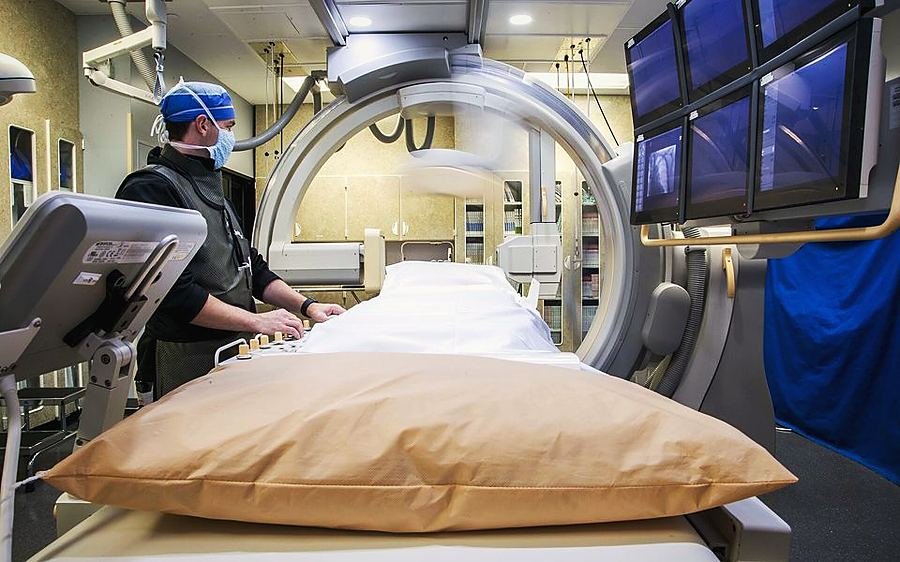
Radiology
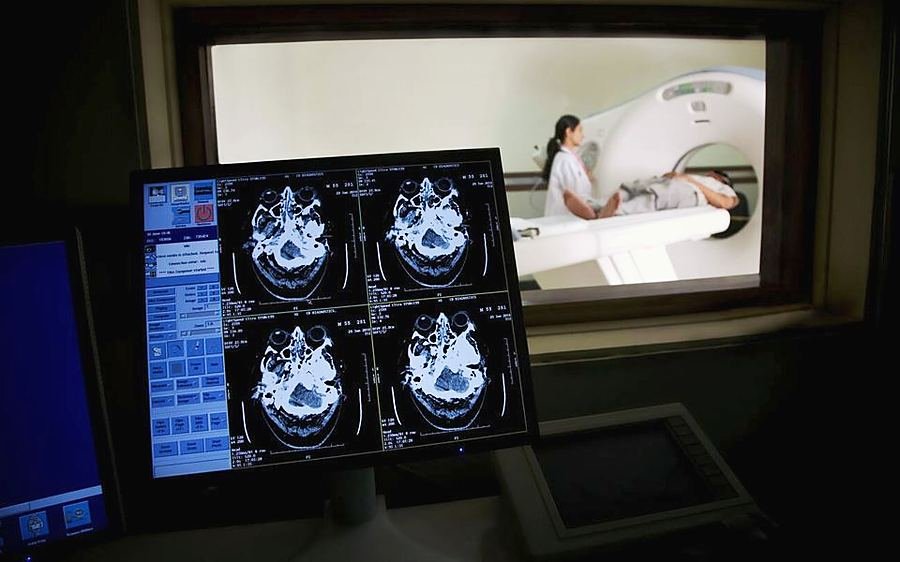
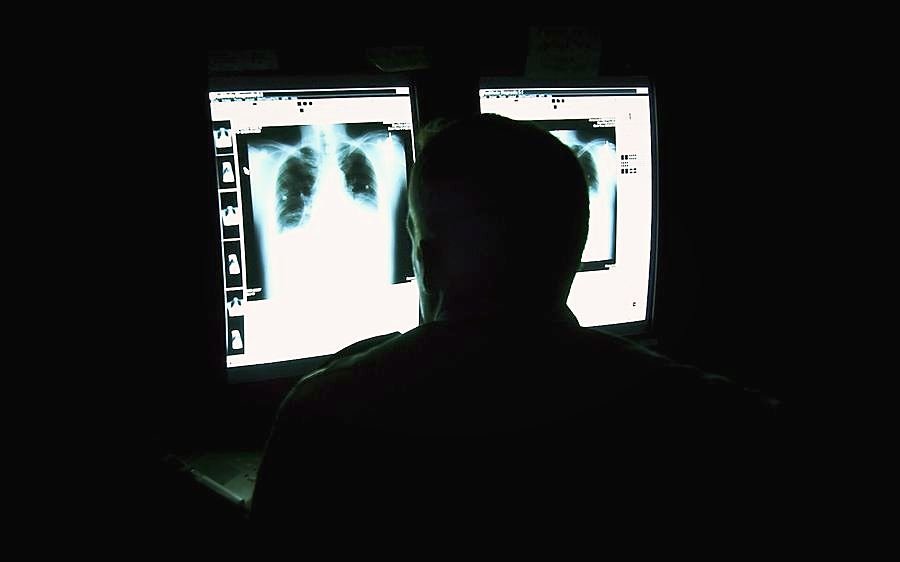
Imaging reported by the hospital’s radiologists.
Home › Departments
Medicine, surgery, diagnostics and intensive care on the same site, so a referral means walking down a corridor, not across the city.
Patient volumes are the hospital's own HMIS figures for 2025.
Cardiac surgical services. The department is being developed in phases, infrastructure, equipment, staffing and clinical protocols.

Planned and emergency surgery across four operating theatres. Our busiest outpatient department by some distance.
A 14-bed intensive coronary care unit with ventilator support and round-the-clock cover.

Care for newborns, infants and children, with proportionally the highest admission rate of any department.
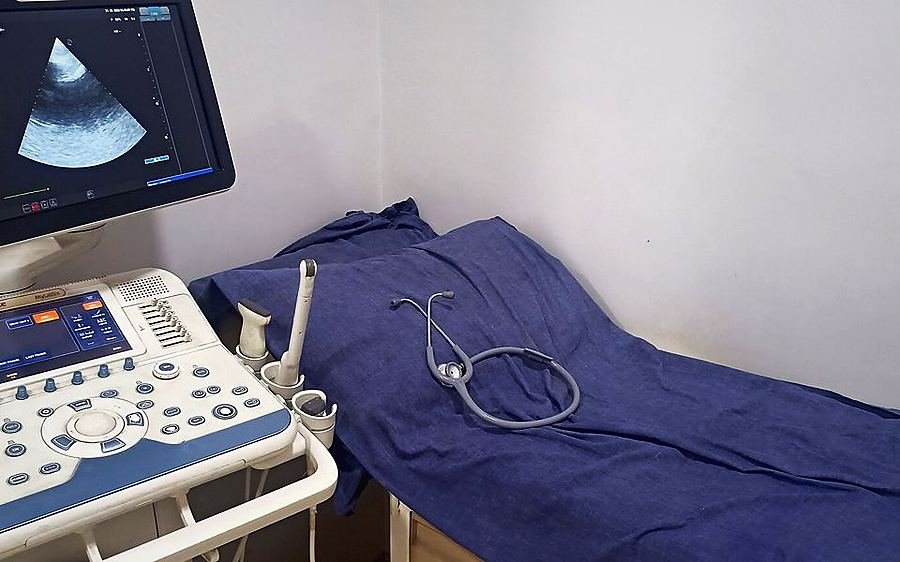
Scans, tests and supporting care, all in the same building as your doctor.
Imaging reported by the hospital’s radiologists.
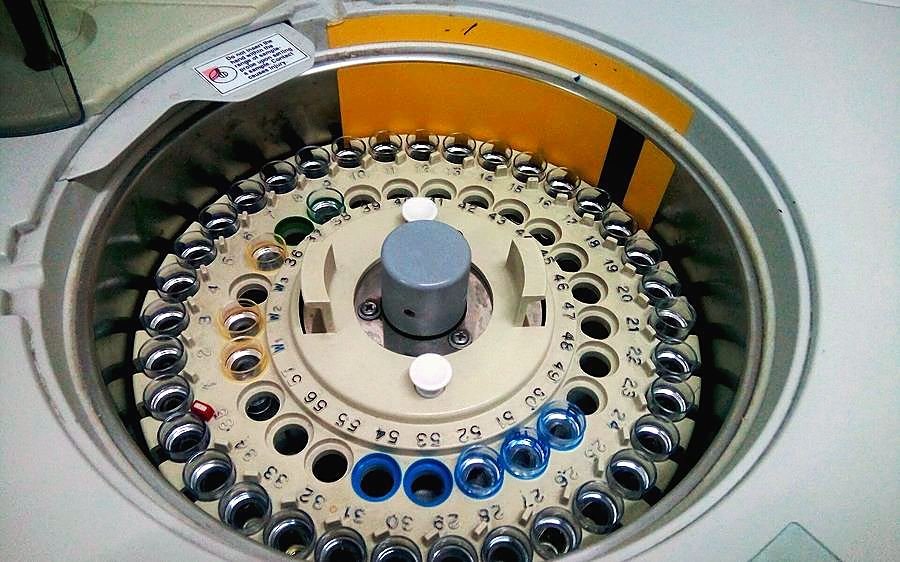
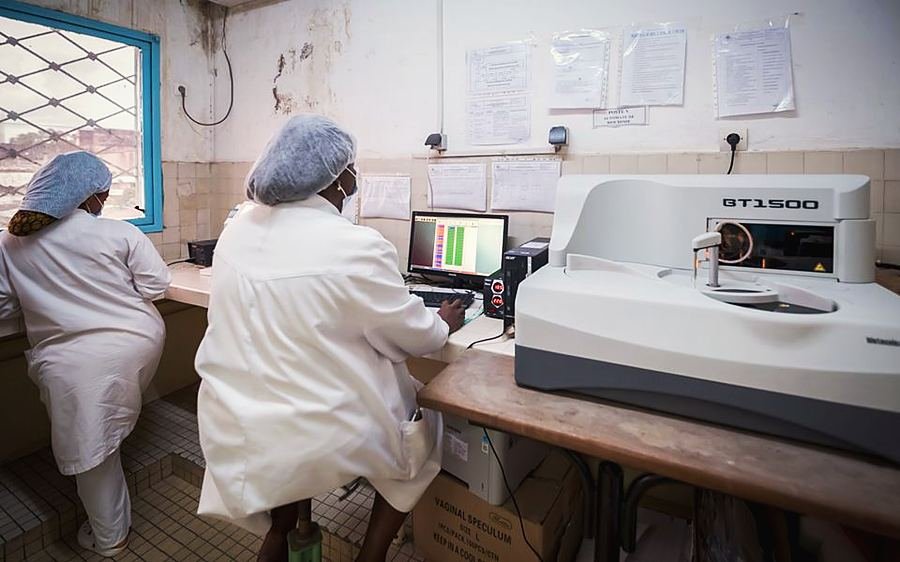
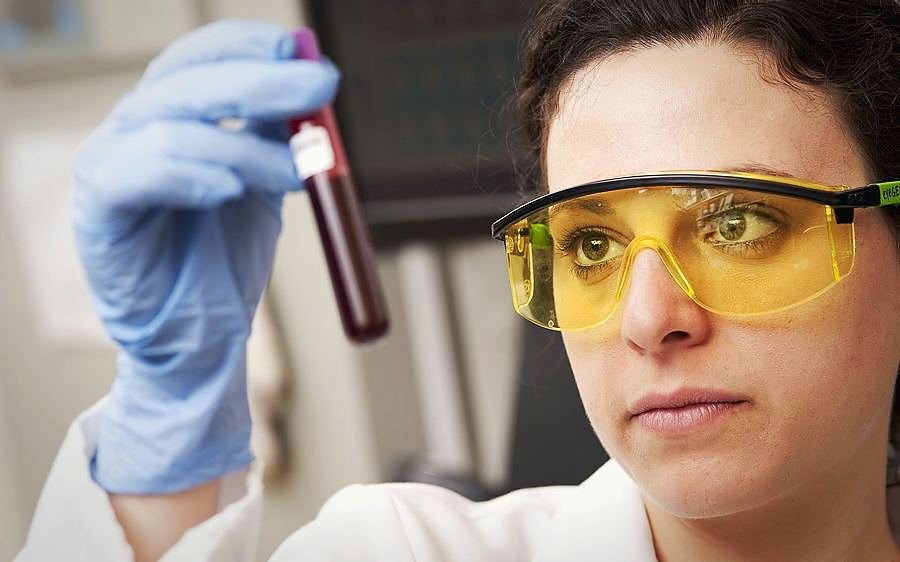
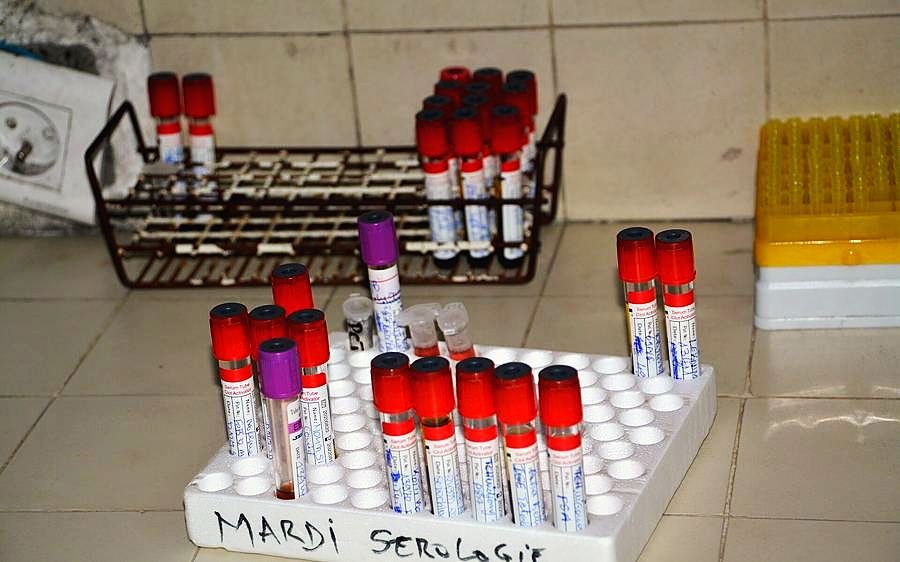
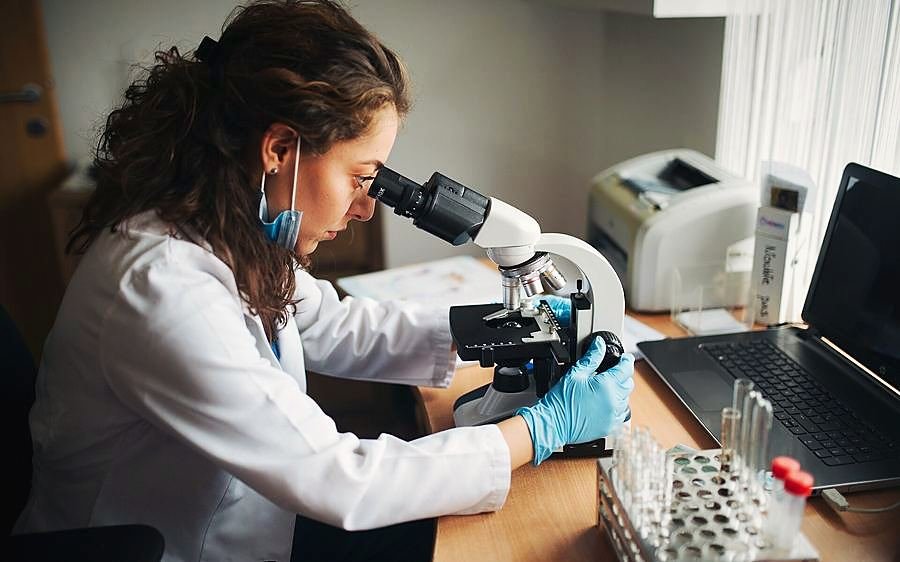
Samples taken and tested on site.

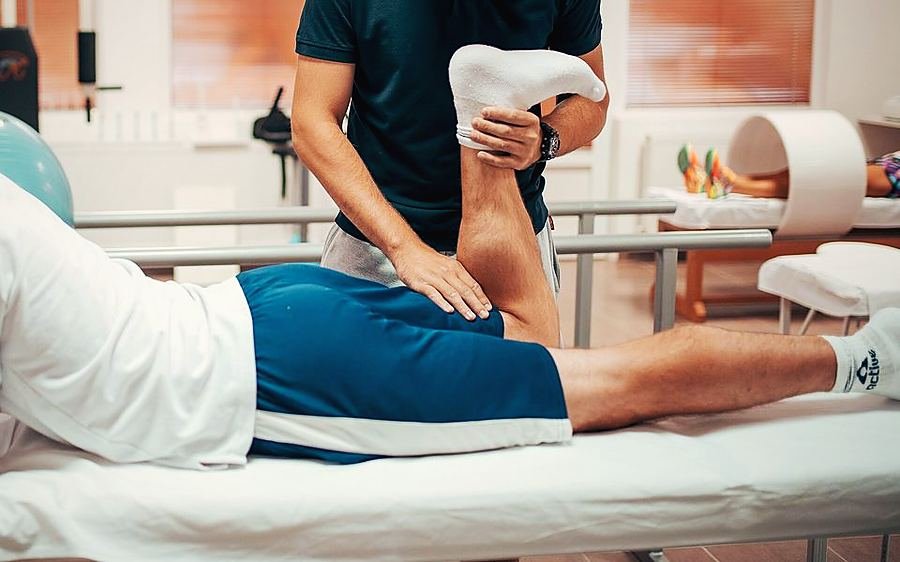

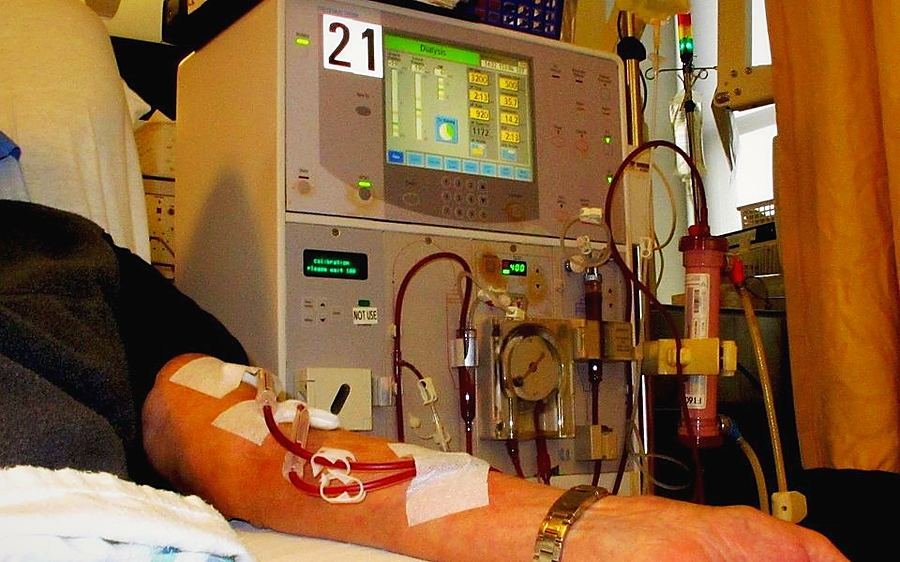

Care that supports your treatment and recovery.
Behind every figure is somebody who walked in through the front door on Central Avenue Road.
Almost a third of everyone we saw came to General Surgery. It is the busiest door in the building, and the reason four theatres run rather than one.
Of 1,200 children seen in Paediatrics, 887 were admitted. Families here tend to arrive when a child is already unwell, which is what a neighbourhood hospital is for.
Admissions to the 14-bed intensive coronary care unit. Cardiology admitted two of every three patients it saw, which is what a cath lab on site makes possible.
Nephrology admitted more patients than it saw in clinic, because dialysis is not a single visit. It is a routine people build their week around.
Figures are the hospital’s own records for 1 January to 31 December 2025.